

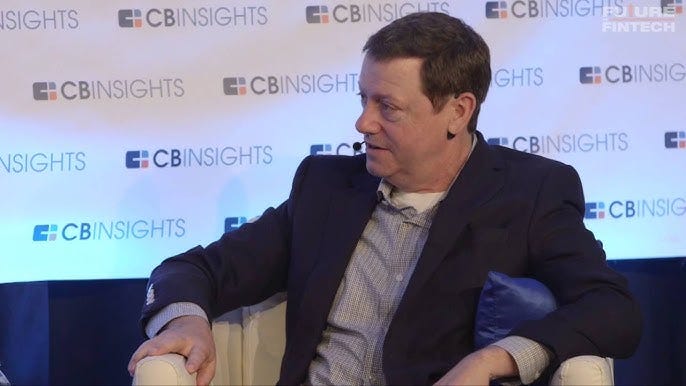
Fred Wilson has funded Twitter, Tumblr, Etsy, Kickstarter, Coinbase, and dozens of other companies that shaped the internet.
Paul Graham has funded Airbnb, Dropbox, Stripe, Reddit, and Instacart, among hundreds of others.
These two investors didn't just happen to find great companies. They built systems — relationship systems, trust networks, community infrastructures — that consistently surfaced the best founders before anyone else found them.
Understanding how they did it reveals something important about how venture capital actually works at the highest level.
And more importantly: it reveals how any founder can think about access to capital in a way that most founders never do.
Fred Wilson's Network Philosophy
Fred Wilson has been remarkably transparent, over his decades of blogging at AVC, about how Union Square Ventures finds its investments.
The short version: almost never through cold outreach.
"The best investments we've made came through our network," Wilson has written. "Through founders we've backed who know other founders. Through operators who've seen someone build. Through communities where we've invested time and relationship-building over years."
Wilson's approach to sourcing was architectural from the beginning. He and his partners deliberately embedded themselves in the communities where the best founders were building: open source developer communities, early Twitter, the NYC startup scene, crypto early days.
They didn't attend those communities as investors hunting for deals.
They participated as community members. As people who contributed, shared, debated, and built genuine relationships.
The deal flow was a byproduct of genuine community participation.
The lesson: The best investors don't hunt for deals. They build communities where the best founders naturally appear. And the founders who are embedded in those communities get seen first.
Paul Graham's Sourcing Architecture
Graham's approach at YC was different in structure but identical in principle.
Rather than embedding himself in existing communities, Graham built a new one: Hacker News, the YC alumni network, the batch community, the cascade of YC-affiliated founder groups that spread outward from each cohort.
Every one of these was a trust amplifier.
A founder who built genuine credibility on Hacker News — who wrote good technical content, who engaged thoughtfully, who became a known person in the community — was already positioned for a warm reception when they applied to YC or sought introductions.
Graham wasn't just accepting applications. He was monitoring the trust graph of the founder community and identifying the nodes that were becoming high-trust before they even needed funding.
The lesson: Your public presence in the communities your target investors care about is warm intro infrastructure. Build it before you need it.
The Flywheel These Investors Built
Here's the architectural insight that most people miss when they study how Wilson and Graham operated:
Both of them understood that warm intros compound.
Each great company they funded became a new trust node in their network. Each founder they backed had a network of operators, co-founders, employees, and friends who were also building companies. Those founders referred deals, made introductions, and expanded the trust graph.
The USV portfolio became its own warm intro ecosystem. So did YC.
The investors weren't just making bets. They were building trust infrastructure that would generate perpetually compounding deal flow.
This is the flywheel: invest in good founders → good founders build relationships → those relationships generate more introductions → more introductions expand the trust graph → the trust graph generates better investments.
What This Means for Founders
Most founders look at Wilson and Graham and think: "I need to find a way to get their attention."
That's the wrong frame entirely.
The right frame: "How do I become embedded in the trust graphs that Wilson and Graham pay attention to?"
The answer is not mysterious. It's not about luck or timing or having the right background.
It's about:
Community presence. Being genuinely involved in the communities where your target investors participate. Contributing, not just consuming.
Operator credibility. Building a track record that the operators and founders in those communities can speak to.
Trust accumulation. Earning the reputation — through work, through consistency, through generosity — that makes trusted people want to say your name in the right rooms.
Warm path activation. Once the trust is built, having a system to see clearly where it connects to the investors you need.
Wilson and Graham didn't just happen to fund great companies. They built architectures for finding them through warm trust networks.
Any founder who understands that architecture can build their own version of it.
