
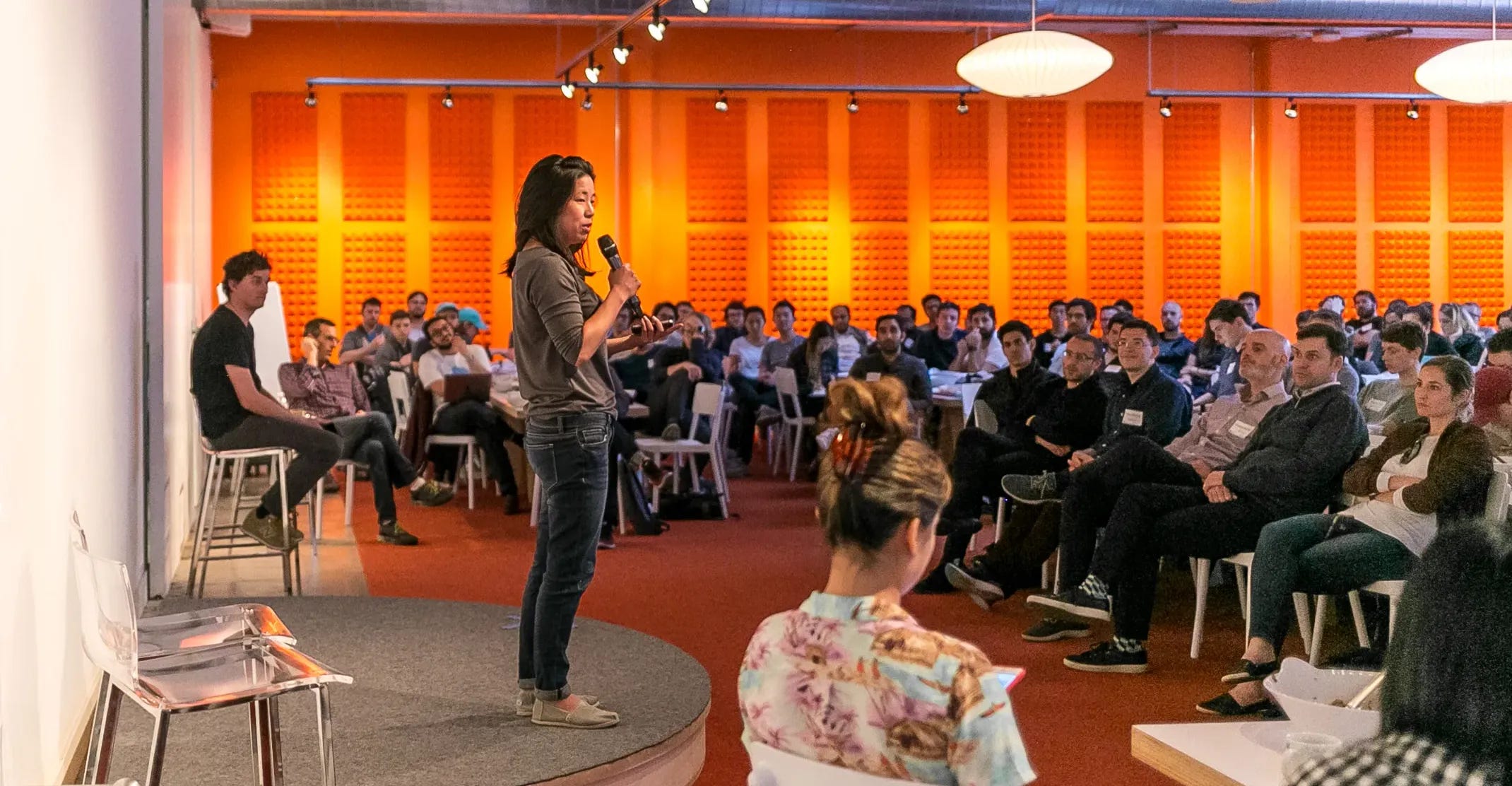
Most founders think fundraising looks like this:
Build a deck.
Email investors.
Take meetings.
Close a round.
But that’s not how it actually works.
The biggest mistake founders make is assuming:
more meetings = more progress
It doesn’t.
Meetings Don’t Mean Anything
You can take 50 investor meetings and still get nowhere.
Because meetings are not the goal.
The only thing that matters is:
a signed check and money in the bank
Everything else — intros, calls, follow-ups — is just noise until that happens.
Most Founders Start Fundraising Too Early
A lot of founders treat fundraising like a milestone.
Something you should be doing.
But the reality is:
You should only raise when you actually need the money to grow.
Not:
to hire prematurely
to spend on acquisition that doesn’t work
to “look like a real startup”
In many cases, pushing fundraising too early just slows you down.
Not All Investors Are the Same (And That Matters More Than You Think)
Founders often lump investors together.
But they behave very differently:
Friends & family → trust-based, but risky to rely on
Angels → easier access, but inconsistent
Seed funds → fast-moving, return-driven
VCs → structured, competitive, and selective
Each one has:
different motivations
different timelines
different expectations
Which means:
Getting any meeting isn’t useful.
Getting the right meeting is everything.
Cold Emails Actually Work (But Not How You Think)
Cold outreach isn’t dead.
Investors do respond to cold emails.
But only when:
it’s personalized
it’s relevant to their interests
it’s concise and intriguing
Generic outreach gets ignored.
Targeted outreach gets responses.
Fundraising Is a Process — Not a Single Pitch
What most founders don’t realize is that fundraising isn’t one meeting.
It’s a sequence:
Intro meeting → basic understanding
Follow-up → metrics + progress
Decision meeting → conviction + vision
Diligence → legal + financial validation
Each stage filters you further.
And most founders don’t fail at pitching.
They fail at progressing through the sequence.
The Real Risk: Investors Who Waste Your Time
One of the most overlooked parts of fundraising:
Bad investors.
Some will:
drag out meetings with no intent to invest
extract information
posture instead of commit
And here’s the hard truth:
Time spent with the wrong investor is worse than no meeting at all.
What This Has to Do With Intros
If you zoom out, there’s a pattern here:
Fundraising isn’t about:
how many investors you talk to
how many emails you send
how many meetings you book
It’s about:
getting in front of the right investor,
at the right time,
with enough context and trust to move forward.
That’s what actually compresses the process.
That’s what actually gets deals done.

The Takeaway
Most founders treat fundraising like a volume game.
Send more emails.
Take more meetings.
Hope something lands.
But the founders who raise efficiently don’t do that.
They focus on:
who they’re talking to
how they got there
and whether there’s real alignment
Because in the end:
The fastest way to raise money
isn’t more meetings.
It’s better introductions.
https://getintrod.ai/