
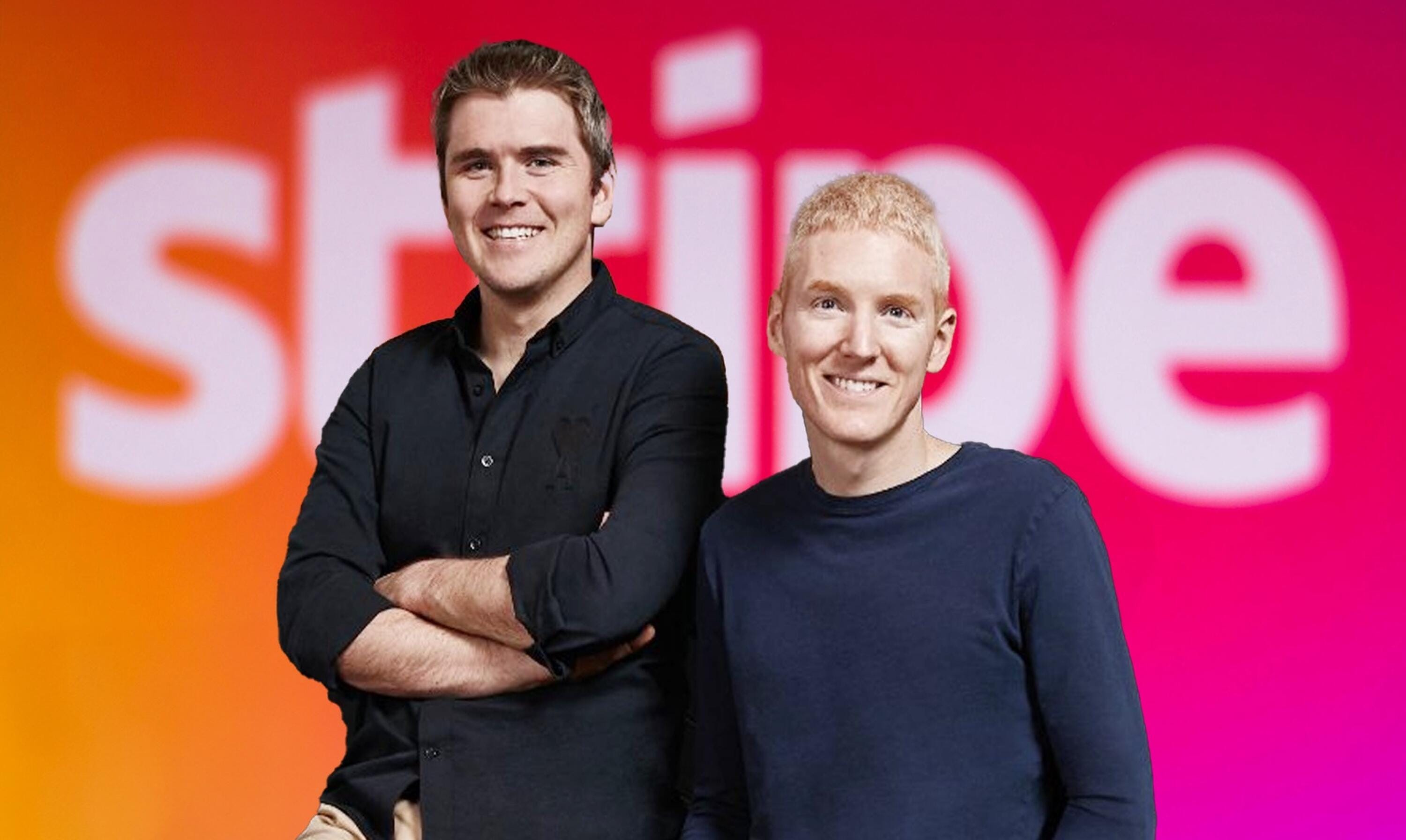
In 2010, Stripe had fewer than ten employees.
Today, Stripe alumni have founded or co-founded companies worth hundreds of billions of dollars in aggregate. They’ve become venture partners, general partners, and scouts at firms ranging from Sequoia to First Round to Founders Fund. They sit on boards, run funds, and make introductions that shape the next generation of the technology industry.
The Stripe alumni network is not an accident.
It’s the most visible example of a phenomenon that shows up everywhere great companies are built when exceptional people work together under genuine pressure, they form trust bonds that become warm intro infrastructure for decades.
Understanding the Stripe alumni effect and how to build your own version of it — is one of the highest-leverage things any founder can do.
How the Stripe Alumni Network Works
Stripe hired exceptionally well in its early years. Not just talented people — people who were specifically good at operating under ambiguity, shipping fast, and maintaining quality under pressure.
Those people worked alongside each other, built genuine trust through shared work, and then dispersed across the ecosystem.
When a Stripe alum encounters another Stripe alum — or when a Stripe alum encounters a founder who was vouched for by someone from Stripe — something specific happens:
The operational trust earned at Stripe travels with the people who earned it.
“She was an early PM at Stripe” is not just a credential. It’s a trust signal. It says: she worked in an environment with extremely high standards, under people who know how to identify excellent operators, and she was trusted with important work.
That signal travels from the Stripe context into every subsequent professional relationship.
The Investor Density of the Stripe Alumni Network
What makes the Stripe alumni network particularly powerful for founders is its investor density.
A disproportionate number of Stripe alumni have moved into venture capital — either as operators-turned-investors, as angels, or as scouts at major funds.
This is not a coincidence. Stripe was an infrastructure company with a founder-serving mission. The people attracted to Stripe tended to be people who cared deeply about the startup ecosystem. Many of them, after building something significant at Stripe, naturally moved into roles where they could help build the next generation of companies.
The result: a trust network with unusually dense connections to the capital that funds the technology industry.
A founder who has any genuine connection to the Stripe alumni network — direct employment, close collaboration, adjacency through mutual former colleagues — has warm paths to investors that most founders don’t.
The Generalization: Every Great Company Creates This
Stripe is the most vivid example, but the dynamic is universal.
Google alumni run funds, sit on boards, and make introductions throughout the technology industry. The Google alumni network is so dense with investors and high-quality founders that a warm connection to a former Googler is a genuine fundraising asset.
The same is true of:
PayPal Mafia — the most famous example: Elon Musk, Peter Thiel, Reid Hoffman, and others whose alumni relationships funded a generation of companies
Facebook/Meta early employees — dozens of whom became significant investors or high-value operators
Twitter alumni — a surprisingly dense network in the media, social, and infrastructure spaces
Square/Block — strong in fintech and payments
Airbnb — dense in marketplace, hospitality, and consumer internet
Figma — growing rapidly in the product and design ecosystem
Every one of these companies produced an alumni network with embedded trust and investor connectivity.

The Activation Question
For any founder, the right question is not: “Do I have connections to impressive companies?”
The right question is: “Have I mapped who in my former employer networks has moved into venture-adjacent roles?”
This mapping exercise consistently surprises founders.
The former colleague who was a mid-level engineer at your last company and has been angel investing quietly for three years.
The manager from two jobs ago who became an EIR at a seed fund.
The peer from your first startup job who joined a growth-stage fund as an operating partner.
These people exist in almost every professional network. They’re warm paths to capital that most founders never find because they never look.
The Maintenance Imperative
Here’s the element that most founders miss about the Stripe alumni effect:
The trust bonds that make it powerful require maintenance.
People who worked together five years ago and never stayed in touch still have dormant trust but activating it requires some level of reconnection before the ask.
The founders who benefit most from operator alumni networks are the ones who have maintained those relationships — even loosely, even episodically — rather than letting them go entirely dormant.
A “congrats on [thing]” message six months before you need an introduction is worth more than the introduction ask made cold after years of silence.
Invest in the maintenance.
The activation pays dividends for decades.
